
How to Know If Bed Bugs Are Gone: 7 Steps
- Ahkim Camara
- 15 août
- 8 min de lecture

Table of Contents
Visual Inspection of High-Risk Areas
How Long Do Bed Bugs Stay Hidden After Treatment
Checking for Fecal Traces and Blood Stains
Using Bed Bug Monitoring Traps for Detection
Signs of Bed Bug Activity After Treatment
Post-Treatment Cleaning and Monitoring Protocol
When to Call a Professional Inspector
Last Updated: August 16, 2026
Visual Inspection of High-Risk Areas
The most direct way to know if bed bugs are gone is to conduct a thorough visual inspection of high-risk areas. After treatment, bed bugs may hide in cracks, crevices, and fabric seams for days or weeks. Start by checking your mattress carefully, flip it and examine both sides, paying special attention to seams, piping, and corners. Use a flashlight and magnifying glass; bed bugs are about the size of an apple seed and easy to miss in dim lighting.
Next, inspect your box spring and bed frame, checking every seam, corner, and crevice. Don't forget the headboard and wooden furniture near the bed. Move your bed away from the wall and check behind it and baseboards. Expand your inspection to sofas, chairs, nightstands, and any upholstered pieces throughout your home, bed bugs can travel beyond the bedroom.

Look for physical signs: fresh fecal spots appear as small dark brown or black dots on fabric; blood stains may be visible if you've crushed a bed bug while sleeping; shed exoskeletons (exuviae) look like translucent, empty shells and indicate recent activity. The absence of these signs after treatment is a positive indicator that bed bugs are gone.
How Long Do Bed Bugs Stay Hidden After Treatment
After professional treatment, bed bugs may remain hidden for several days to two weeks while the insecticide takes effect. Some die immediately upon contact; others retreat into deep hiding spots and die more slowly. The observation period typically lasts 14 to 21 days. Maintaining heightened vigilance during this window is recommended, as surviving bed bugs may emerge to feed if the initial treatment didn't reach all hiding spots.
Bed bugs can survive for extended periods without feeding (up to 12 months), but they cannot reproduce or develop after effective treatment. After professional application, bed bugs typically show signs of decline within 5 to 7 days, though complete elimination may take longer if the infestation was severe. Heat treatments kill bed bugs almost instantly, while chemical treatments require time for the insecticide to affect the nervous system. Integrated pest management approaches combining multiple methods often produce more reliable results.
Checking for Fecal Traces and Blood Stains
Fecal traces are one of the most reliable indicators of bed bug activity. These appear as small, dark brown or black dots on mattresses, sheets, pillowcases, and furniture, typically found near seams and corners. Bed bug feces consist of digested blood and won't brush away easily. The presence of fresh fecal spots indicates active bed bugs; their absence after treatment suggests the infestation has been controlled.
To distinguish bed bug feces from dust, examine them closely. Bed bug droppings are uniform in size and won't smudge like dust. Use a damp cloth to test, bed bug feces will leave a slight residue when rubbed. Blood stains on bedding occur when you crush a bed bug or when an engorged bug is present. Fresh stains are bright red; older stains appear darker brown. Finding blood stains suggests active bed bugs that have recently fed.
Examine your sheets and pillowcases daily during the observation period. Wash them in hot water regularly, bed bugs cannot survive temperatures above 49°C. Check the seams of your mattress, box spring, headboard, bed frame, and upholstered furniture. The absence of new fecal spots or blood stains over 14 days is a strong indicator that bed bugs are gone.
Using Bed Bug Monitoring Traps for Detection
Bed bug monitoring traps are passive detection devices designed to catch bed bugs as they move toward or away from your bed. These traps are particularly useful during the post-treatment observation period because they provide objective evidence of whether bed bugs are still active. The most common type is the interceptor trap, placed under bed legs or furniture feet. Bed bugs climbing up or down these legs become trapped and cannot escape.
Interceptor traps use smooth-sided cups that bed bugs cannot climb out of once they fall in. Some traps include attractants like pheromones or CO2 to increase effectiveness, though passive traps without attractants are also effective for monitoring. Place traps under all four bed legs, under sofa legs, and under any other furniture where you sleep or spend extended time. Check traps daily, especially during the first two weeks after treatment. An empty trap suggests no bed bug activity; finding even one bed bug indicates survivors remain and may require additional treatment.

Using monitoring traps as part of a comprehensive post-treatment verification strategy is recommended. While traps alone cannot definitively prove all bed bugs are gone, consistent empty traps over 14 to 21 days combined with visual inspection results provide strong evidence of successful treatment. Replace traps if they become full or damaged, and maintain them throughout the observation period.
Signs of Bed Bug Activity After Treatment
The most obvious sign of ongoing infestation is new bites on your skin. If you experience new bites more than 5 to 7 days after treatment, bed bugs may still be present. However, distinguish between new bites and lingering reactions from previous bites, which can persist for weeks. New bites typically appear in clusters or lines on exposed skin. Keep a log of any new bites, noting the date and location. If new bites stop appearing after treatment, this is a positive sign that bed bugs are gone.
During night hours, bed bugs emerge from hiding to feed. If you conduct nighttime inspections using a flashlight, you may see live bed bugs moving across your mattress or furniture. After successful treatment, nighttime inspections should reveal no live bed bugs. Some people report hearing rustling sounds in mattresses where bed bugs are present, though this is less common. More reliable is the absence of the musty odor that heavy infestations sometimes produce.
Post-infestation anxiety is common and may persist even after bed bugs are gone. You might feel itching sensations or believe you see bed bugs when none are present. This is a normal psychological response. Combine your personal observations with objective evidence from visual inspections and monitoring traps to avoid misinterpreting anxiety-related sensations as signs of active infestation.
Post-Treatment Cleaning and Monitoring Protocol
After professional treatment, implement a structured cleaning and monitoring protocol. Wash all bedding, pillowcases, and clothing that may have contacted bed bugs in hot water (at least 49°C) and dry on high heat. Repeat this process weekly during the observation period. Vacuum your mattress, box spring, bed frame, and surrounding floor thoroughly, paying special attention to seams and crevices. Use a HEPA filter vacuum if possible. After vacuuming, seal the vacuum bag or empty the canister into a sealed plastic bag and dispose of it outside your home.
Clean your bedroom thoroughly, wiping down all surfaces including nightstands, dressers, and baseboards. Remove clutter where bed bugs might hide. Wash any upholstered items or have them professionally cleaned. For items that cannot be washed, consider placing them in sealed plastic bags for several months, bed bugs cannot survive extended periods without feeding.
Establish a daily monitoring routine: each morning, inspect sheets and pillowcases for fecal spots or blood stains; check your body for new bites; check monitoring traps and record findings; conduct thorough visual inspections of your mattress, box spring, and bed frame at least twice per week. Document all observations in a log. Continue this protocol for a minimum of 21 days after treatment. If you find no signs of bed bug activity during this entire period, you can reasonably conclude the infestation has been successfully eliminated. Remain vigilant for at least another month, as bed bugs can sometimes hide for extended periods and re-emerge if not all hiding spots were reached by treatment.
When to Call a Professional Inspector
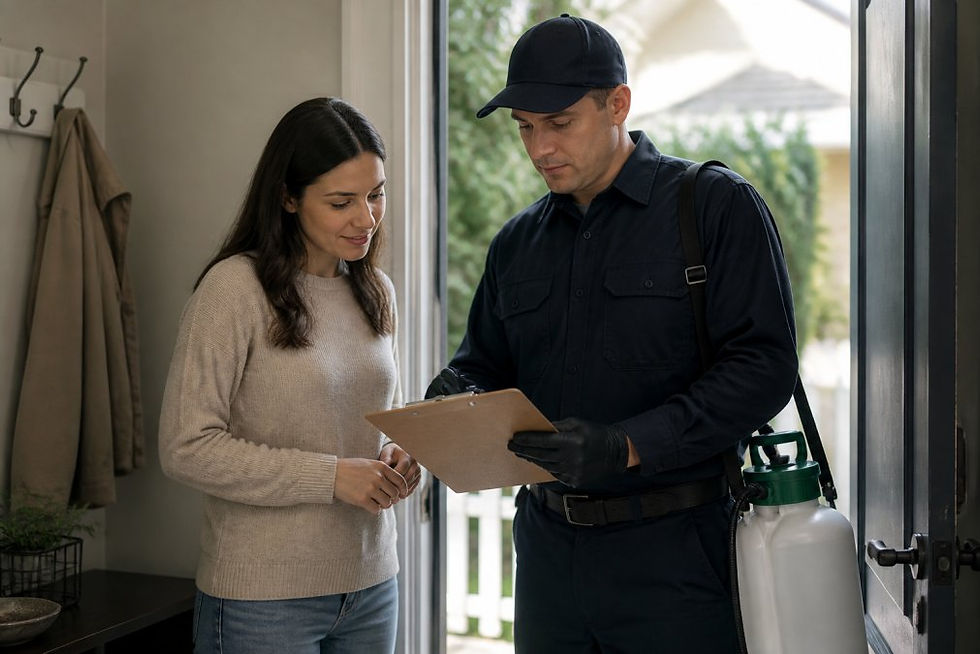
If your inspection and monitoring efforts reveal any evidence of bed bugs after treatment, or if you're uncertain whether bed bugs are truly gone, contact a professional pest control inspector. Professional inspectors have specialized training, equipment, and experience in detecting bed bugs that may escape visual detection.
Signs that you should call a professional include: finding live bed bugs in monitoring traps or during visual inspection, discovering new fecal spots or blood stains after the initial treatment period, continuing to experience new bites beyond 7 to 10 days after treatment, or feeling uncertain about whether the infestation has been resolved. Dobelo Extermination offers professional inspection services to verify that bed bugs are completely gone. Our certified inspectors use proven detection methods and can recommend follow-up treatments if needed.
If you discover that bed bugs remain after initial treatment, do not attempt repeated DIY treatments. Bed bugs can develop resistance to over-the-counter pesticides, and improper application may drive them deeper into hiding or spread them to other areas. Professional re-treatment using different methods or products is often necessary. Dobelo Extermination guarantees results and will return for additional treatment if needed to ensure complete elimination.
Knowing whether bed bugs are truly gone requires systematic observation and patience. The combination of visual inspection, monitoring traps, and careful attention to signs of activity provides reliable evidence. If you've completed professional treatment and followed a thorough post-treatment protocol, you should have clear answers within 21 days. When uncertainty remains or you discover signs of surviving bed bugs, professional verification from Dobelo Extermination eliminates guesswork. Our certified team can confirm that your home is completely free from bed bugs and help you regain the peace of mind that comes with a truly resolved infestation. Contact us for a free estimate or to discuss your post-treatment verification needs.
Frequently Asked Questions
How long should I wait after treatment to confirm bed bugs are gone?
Most professionals recommend waiting 2-3 weeks after treatment before confirming complete elimination. During this period, any surviving bed bugs or newly hatched nymphs will emerge and be exposed to residual insecticide. Continue monitoring with traps during this window. If no activity appears after three weeks, infestation is likely resolved, but extended observation for 4-6 weeks provides stronger confidence.
What are the most reliable signs that bed bugs are completely eliminated?
Complete elimination is confirmed by: no new bites appearing for 2-3 weeks, empty monitoring traps with no catches, absence of fecal traces or dark spots on mattresses and furniture, no live insects or exuviae (shed skins) found during inspections, and no blood stains on sheets. The combination of these indicators, rather than any single sign, provides the strongest evidence that bed bugs are gone.
Can bed bugs go dormant and reappear later after treatment?
Bed bugs do not enter true dormancy, but they can survive for months without feeding if conditions are unfavorable. However, after professional heat treatment or insecticide application, surviving bed bugs cannot hide indefinitely. Heat treatment kills all life stages instantly, while chemical treatments work over 2-3 weeks as insects contact residue. If bed bugs reappear months later, it typically indicates a new infestation from external sources, not dormant survivors.
Should I hire a professional inspector to verify the infestation is over?
Professional inspection is valuable if you remain uncertain after 3-4 weeks of monitoring, especially in multi-unit buildings where reinfestation risk is high. Certified inspectors use specialized detection equipment and knowledge of hiding spots that homeowners often miss. For commercial spaces, restaurants, or sensitive facilities like childcare centers, professional verification provides documented proof of eradication and compliance assurance.
Estimation gratuite
This article was written using GrandRanker


Commentaires