
Comment se débarrasser des punaises de lit: Guide 2026
- Ahkim Camara
- 12 août
- 10 min de lecture

Table of Contents
Step 1: Identify Bed Bugs Before You Treat Anything Where Bed Bugs Hide: Mattress, Box Spring, and Beyond Eggs, Nymphs, and Adults: Spotting Every Life Stage
Where Bed Bugs Hide: Mattress, Box Spring, and Beyond
Eggs, Nymphs, and Adults: Spotting Every Life Stage
Step 2: How to Wash Clothes to Kill Bed Bugs
Step 3: Heat, Steam, and Cold Treatments That Actually Work Dry Heat and Steam Application Freezing Small Items
Dry Heat and Steam Application
Freezing Small Items
Step 4: Vacuuming, Decluttering, and Sealing Cracks
How to Prepare for Bed Bug Treatment at Home
Myths vs. Reality: What Store Products Won't Tell You
Bed Bug Extermination Cost in Canada and When to Call a Pro
Preventing a New Infestation After Treatment Travel Precautions: How to Avoid Bringing Bed Bugs Home
Travel Precautions: How to Avoid Bringing Bed Bugs Home
Last Updated: August 4, 2026
Bed bugs are one of the most stressful infestations a homeowner or tenant can face, and knowing how to eliminate them properly is the difference between a resolved problem and a recurring nightmare. At Dobelo Extermination, we work with Ottawa and Gatineau residents every week who have already tried store-bought sprays and failed. Below, we'll walk you through exactly what works, what doesn't, and when a certified specialist is your only real option.
Here's what most guides get wrong: they treat bed bug elimination as a single event rather than a protocol. Bed bugs are parasites with a multi-stage life cycle, and missing even one clutch of eggs restarts the entire infestation. The approach you need is systematic, not spontaneous.
Step 1: Identify Bed Bugs Before You Treat Anything
Correct identification is the foundation of any effective extermination strategy. Treating the wrong pest, or treating the right pest in the wrong locations, wastes time and allows the infestation to spread.
Bed bugs are flat, oval-shaped parasites roughly 4-5 millimetres long as adults, reddish-brown in colour, and visible to the naked eye. They do not fly and move quickly along surfaces, preferring dark, narrow spaces close to their host.

Where Bed Bugs Hide: Mattress, Box Spring, and Beyond
The mattress and box spring are primary hiding zones, but bed bugs also establish colonies in fissures, along baseboards, inside electrical outlet covers, behind headboards, inside furniture joints, and within book spines stored near the bed.
A thorough inspection covers mattress seams and tags, all sides of the box spring, bed frame joints, nightstands and dressers within two metres of the bed, baseboards, wall cracks, and carpet edges.
According to Health Canada's guidance on bed bug detection and control, bed bugs can travel between units in multi-unit buildings through shared walls, plumbing, and electrical conduits. This is critical information for condo owners and apartment tenants in Ottawa and Gatineau.
Eggs, Nymphs, and Adults: Spotting Every Life Stage
Bed bugs have five nymphal stages before adulthood. Eggs are pearlescent white, about 1 millimetre long, and cemented to surfaces. Nymphs are translucent and darken after feeding. Adults are visibly reddish-brown.
Key signs of infestation include rust-coloured or dark staining on fabric (digested blood excrement), shed skins from nymphal moults, a faint musty odour in heavily infested rooms, and clusters of bites on exposed skin, often in lines or groups of three.
Watch Out Never assume an absence of visible insects means the infestation is minor. A single fertilized female can produce hundreds of eggs over her lifetime. If you see staining or shed skins, treat the situation as active.
Step 2: How to Wash Clothes to Kill Bed Bugs
Laundry is one of the most accessible and effective tools in the decontamination process, but it only works when done correctly.
Bed bugs and their eggs are killed by sustained exposure to temperatures above 49°C. A standard residential dryer on its highest heat setting reaches well above this threshold.
The correct laundry sequence:
Bag all clothing, bedding, and soft items in sealed plastic bags before moving them.
Empty the bags directly into the washing machine without setting them down on any surface.
Wash on the hottest water setting appropriate for the fabric.
Transfer immediately to the dryer and run on high heat for a minimum of 30 minutes.
Seal clean items in fresh, hermetic bags until treatment is complete.
Dispose of the original bags outside the home immediately.
Items that cannot be washed, such as shoes or dry-clean-only garments, can go through a full dryer cycle on high heat for 30 minutes without washing first.
Pro Tip Use white or clear plastic bags so you can visually confirm no bugs are visible before sealing. Label bags as "clean" or "to treat" to avoid cross-contamination.
Step 3: Heat, Steam, and Cold Treatments That Actually Work
Heat treatment is the most reliable non-chemical method for killing bed bugs at every life stage, including eggs. Chemical treatments can miss eggs entirely because many insecticides do not penetrate the egg casing.
Dry Heat and Steam Application
Professional whole-room heat treatment raises the ambient temperature of an entire space to above 50°C for several hours, reaching inside walls, furniture, and mattresses. This is the gold standard for severe infestations and is performed by certified specialists.
For targeted DIY application, dry steam is the most practical option. A handheld steam cleaner with a nozzle attachment delivers temperatures exceeding 100°C directly to mattress seams, bed frame joints, and baseboards. Move the nozzle slowly at approximately 2-3 centimetres per second, keeping it 2-3 centimetres from the surface. Do not use a fan attachment, which disperses heat too broadly. Follow immediately with a vacuum on treated areas.

Freezing Small Items
Freezing is a viable option for small objects that cannot tolerate heat. Place items in sealed plastic bags and freeze at -18°C or colder for a minimum of four days. The critical variable is the core temperature of the item, not just the surrounding air.
Key Takeaway Heat and cold both kill bed bugs, but heat is faster and more practical for large volumes of items. Reserve freezing for small, heat-sensitive objects where steam or dryer treatment is not an option.
Step 4: Vacuuming, Decluttering, and Sealing Cracks
Physical removal and environmental modification play a critical role in successful extermination.
Vacuuming physically removes live bugs, nymphs, and shed skins from surfaces. Use a vacuum with a HEPA filter and a crevice tool to work along mattress seams, bed frame joints, baseboards, and carpet edges. After every session, immediately seal the vacuum bag in a plastic bag and place it in an outdoor bin.
Decluttering is essential. Clutter creates harborage sites. Stacks of magazines, boxes under the bed, and clothing piles give bed bugs dozens of undisturbed hiding locations. Before any treatment, remove and assess every item in the bedroom.
Sealing cracks and fissures eliminates future harborage. Use caulk to seal gaps along baseboards, around electrical outlets, and in wall cracks. This is a prevention step as much as a treatment step.
How to Prepare for Bed Bug Treatment at Home
Proper preparation is what separates a successful professional treatment from one that requires retreatment.
Preparation Step | What to Do | Why It Matters |
Laundry | Wash and bag all clothing and bedding | Eliminates bugs on textiles before treatment |
Declutter | Remove items from floors, under beds | Exposes harborage sites to treatment |
Vacuum | Vacuum all seams, baseboards, furniture | Reduces live insect population before treatment |
Seal cracks | Caulk baseboards and outlet gaps | Removes hiding spots post-treatment |
Bag clean items | Seal treated items in plastic | Prevents recontamination during treatment |
Vacate the space | Leave for the treatment duration | Allows full chemical or thermal application |
Your certified exterminator will provide specific instructions based on the treatment method chosen. Follow them precisely. Skipping preparation steps is the most common reason infestations persist after professional treatment.
Myths vs. Reality: What Store Products Won't Tell You
Myth: Insecticide sprays from hardware stores will eliminate a bed bug infestation. Reality: Many bed bug populations in Canada have developed resistance to insecticides, particularly pyrethroid-based products. Over-the-counter sprays may kill bugs on direct contact but do not penetrate harborage sites or affect eggs. They can also cause bugs to scatter deeper into walls.
Myth: Mattress covers alone solve the problem. Reality: Encasements are a valuable prevention and containment tool, but they do not kill bugs already present in the rest of the room. They trap bugs on the mattress so they cannot feed and eventually die, but this process takes months.
Myth: Bed bugs only infest dirty homes. Reality: Bed bugs are not attracted to filth. They are attracted to body heat and carbon dioxide. A spotless hotel room is just as vulnerable as any other space.
Myth: You can treat bed bugs yourself with enough effort. Reality: DIY treatment is appropriate for very early, localized infestations. For established infestations, the combination of insecticide resistance, hidden egg clutches, and the complexity of integrated pest management protocols makes professional intervention the only reliable path to full extermination.
As documented in the Government of Ontario's public health guidance on bed bugs, bed bug infestations require a multi-step approach combining physical, thermal, and chemical methods for reliable eradication.
Bed Bug Extermination Cost in Canada and When to Call a Pro
Bed bug extermination cost in Canada varies significantly based on the size of the space, the severity of the infestation, the treatment method used, and the region. Any exterminator who quotes a flat rate without an inspection should be approached with caution.
What you should expect from a legitimate certified specialist: a thorough inspection before any treatment begins, a written treatment plan specifying the method and number of visits, clear communication about preparation requirements, and a guarantee or follow-up visit policy.
If you have found evidence of bed bugs in more than one location in the room, or if you have already attempted treatment without success, professional extermination is the appropriate next step. Delaying increases the infestation size and the cost of eventual treatment.
For tenants in multi-unit buildings, reporting obligations are relevant. In Ontario and Quebec, tenants are generally required to report suspected infestations to their landlord promptly. Landlords, in turn, have obligations to arrange treatment. Consult your provincial residential tenancy authority for current requirements.
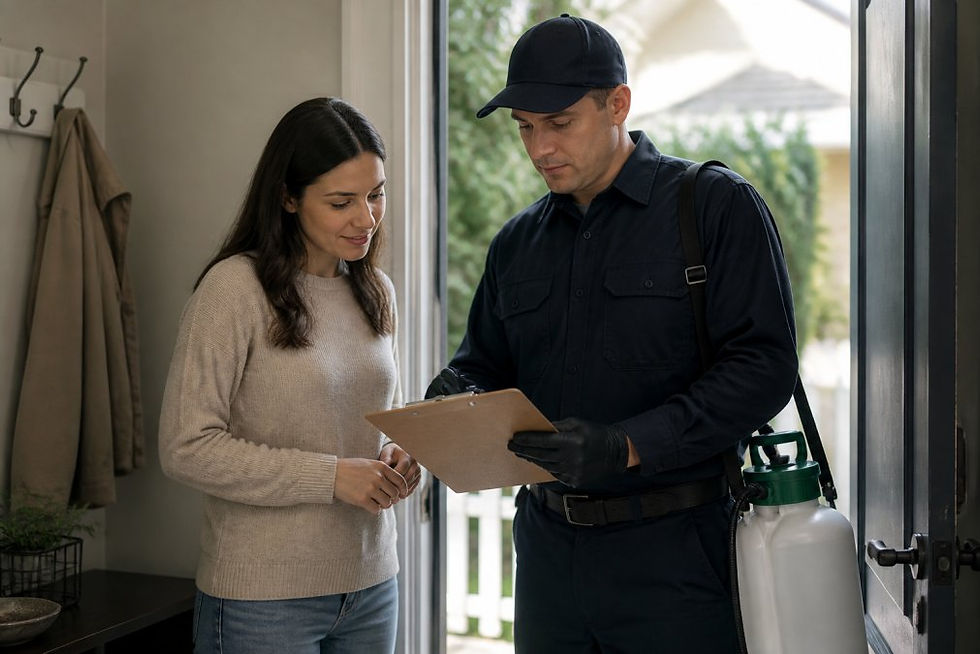
Dobelo Extermination serves residential and commercial clients across Ottawa and Gatineau with certified technicians available 24 hours a day, 7 days a week. A free estimate is available to assess the scope of your infestation before any commitment.
Preventing a New Infestation After Treatment
Treatment success is measured not just by the elimination of the current infestation, but by whether it comes back. Prevention is a permanent practice, not a one-time step.
Post-treatment prevention measures include keeping mattress and box spring encasements installed for at least 12 months after treatment, reducing clutter on an ongoing basis, inspecting second-hand furniture thoroughly before bringing it indoors, vacuuming regularly, and sealing any new cracks or gaps in walls and baseboards as they appear.
For property managers overseeing multi-unit buildings, a coordinated approach to detection and pest management is essential. A single untreated unit can re-infest treated neighbouring units within weeks.
Travel Precautions: How to Avoid Bringing Bed Bugs Home
Travel is the leading vector for introducing bed bugs into a home. Hotels, hostels, and short-term rentals are common sources, regardless of their rating or price point.
The practical inspection protocol for travellers: before placing luggage on the bed or floor, inspect the mattress seams, headboard, and nightstand for dark staining or shed skins. Store luggage on the metal luggage rack, not on upholstered surfaces or the floor. On returning home, leave luggage outside or in a garage if possible. Transfer all clothing directly to the washing machine and run a hot cycle. Vacuum luggage thoroughly and store it away from sleeping areas.
According to the Public Health Agency of Canada's travel health resources, travellers returning from regions with high infestation rates should be particularly vigilant about inspecting their belongings before re-entering their homes. Bed bugs often hitchhike in luggage seams and pockets, not on clothing. A full inspection of the bag itself, not just its contents, is what catches the problem before it starts.
Frequently Asked Questions
Can I get rid of bed bugs on my own in Canada?
DIY methods like high-heat drying, vacuuming, and steam treatment can reduce a bed bug population, but they rarely eliminate a full infestation on their own. Eggs hidden deep in cracks, baseboards, and box springs survive most store-bought treatments. Canadian pest control professionals use integrated pest management protocols that combine chemical and thermal treatments for lasting results. If you have tried multiple products without success, a certified exterminator is the most reliable path to full elimination of punaises de lit.
Where do bed bugs hide in a typical home?
Bed bugs concentrate closest to where people sleep. The most common hiding spots are mattress seams, the box spring frame, cracks in the bed frame, and the space behind the headboard. From there, infestations spread to baseboards, electrical outlets, picture frames, and upholstered furniture. During a thorough inspection, check every seam, fold, and crevice within roughly 1.5 metres of the bed. The darker and more sheltered the gap, the more likely you will find eggs or nymphs.
How do I wash clothes to kill bed bugs?
Wash infested clothing and bedding in hot water, then dry on the highest heat setting for at least 30 minutes. The dryer heat is the critical step: temperatures above 49°C kill all life stages, including eggs. Seal clean items immediately in airtight bags to prevent re-infestation. For items that cannot be washed, such as shoes or stuffed animals, place them in the dryer on high heat for 30 minutes or seal them in a bag and freeze them at -18°C for at least four days.
How much does bed bug extermination cost in Canada?
Bed bug extermination cost in Canada varies based on the size of the home, the severity of the infestation, and the treatment method used. Thermal treatments generally cost more than chemical treatments but can resolve an infestation in a single visit. Costs also differ between cities like Ottawa and Gatineau. Because pricing depends on a full inspection, the most accurate way to budget is to request a free estimate from a certified exterminator who can assess the specific scope of your infestation before quoting.
How do I prevent bed bugs from coming back after treatment?
After professional treatment for punaises de lit, encase your mattress and box spring in certified bed bug-proof covers and keep them on for at least a year. Reduce clutter so there are fewer hiding spots. Inspect secondhand furniture before bringing it inside. When travelling, keep luggage off the floor and inspect hotel mattress seams before sleeping. On returning home, dry all travel clothing on high heat before storing. Regular inspections every few months help catch any new activity before it becomes a full infestation.
Is a landlord or tenant responsible for bed bug treatment in Canada?
Responsibility varies by province. In Ontario, the Residential Tenancies Act and related guidelines generally require landlords to maintain a property in a good state of repair, which includes addressing pest infestations. In Quebec, similar obligations exist under the Civil Code. Tenants are typically expected to report infestations promptly and cooperate with treatment protocols. If you are unsure of your rights, contact your provincial tenant rights office or municipal housing authority for guidance specific to your situation.
Bed bug infestations do not resolve on their own, and the longer an infestation establishes itself, the more complex and costly the extermination becomes. Dobelo Extermination's certified team provides rapid intervention across Ottawa and Gatineau, with 24/7 availability and a 100% satisfaction guarantee. Get started with a free estimate from Dobelo Extermination and take back your home with a treatment protocol that is built to last.
Get Started Today
This article was written using GrandRanker


Commentaires